Expert Guide to Resurface Wood Floors
Wood floors bring warmth, character, and timeless beauty to any space. Over time, though, they can lose their shine, develop scratches, or show signs of wear. When that happens, you might wonder if it’s time to replace them or if there’s a better way to bring them back to life. The good news is, you can resurface wood floors to restore their original charm without the hassle and cost of a full replacement. In this guide, I’ll walk you through everything you need to know about resurfacing wood floors, from understanding the process to practical tips for a successful project.
Why You Should Resurface Wood Floors
Resurfacing wood floors is a fantastic way to breathe new life into tired, worn-out flooring. It’s more than just a cosmetic fix - it’s about preserving the integrity and value of your wood floors. When you resurface, you remove the top layer of damaged wood, revealing fresh, smooth wood underneath. This process can eliminate scratches, dents, stains, and dullness.
Here are some reasons why resurfacing is a smart choice:
Cost-effective: It’s usually less expensive than replacing the entire floor.
Saves time: Resurfacing takes less time than a full renovation.
Eco-friendly: You keep your existing wood, reducing waste.
Increases home value: Beautiful floors can boost your property’s appeal.
Customisable finish: You can choose stains or finishes to match your style.
If your floors have minor to moderate damage, resurfacing is often the perfect solution. It’s a way to maintain the natural beauty of wood while extending its lifespan.
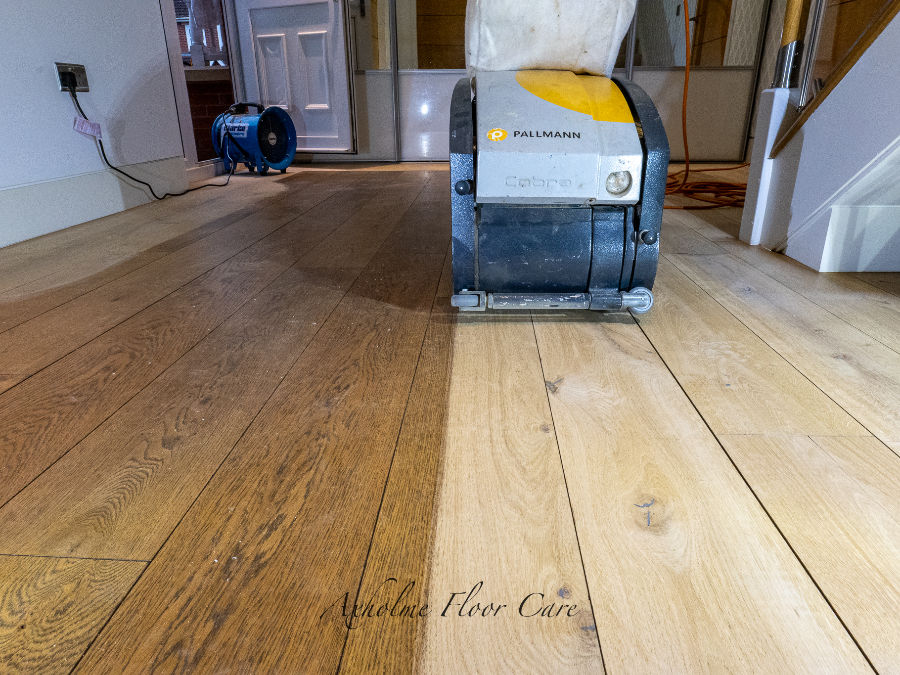
How to Resurface Wood Floors: Step-by-Step
Resurfacing wood floors might sound complicated, but with the right approach, it’s manageable. Here’s a straightforward breakdown of the process:
1. Prepare the Room
Start by clearing the room completely. Remove all furniture, rugs, and any obstacles. Make sure to cover vents and doorways with plastic sheeting to contain dust. Proper ventilation is essential, so open windows if possible.
2. Inspect the Floor
Look for nails or staples sticking out and remove them. Check for damaged boards that might need replacing before you begin sanding.
3. Sand the Floor
This is the heart of resurfacing. Use a drum sander for large areas and an edge sander for corners and edges. Start with coarse-grit sandpaper to remove the old finish and scratches, then gradually move to finer grits for a smooth finish. Sand in the direction of the wood grain to avoid scratches.
4. Clean Thoroughly
After sanding, vacuum the floor thoroughly to remove all dust. Wipe the surface with a damp cloth to pick up any remaining particles.
5. Apply Stain or Finish
Choose a stain if you want to change the colour or enhance the wood’s natural tone. Apply evenly with a brush or cloth. Once dry, seal the floor with a protective finish like polyurethane. This adds durability and shine.
6. Let It Cure
Allow the finish to dry completely before moving furniture back in. This can take a few days depending on the product used.
By following these steps carefully, you can achieve a professional-looking result that lasts for years.

What is the difference between refinishing and resurfacing wood floors?
It’s easy to confuse refinishing and resurfacing, but they are not exactly the same. Understanding the difference helps you choose the right approach for your floors.
Refinishing involves sanding the floor down to bare wood and then applying a new finish. It’s a more intensive process that removes all old coatings and imperfections. Refinishing is ideal for floors with deep scratches, stains, or damage.
Resurfacing is a broader term that can include sanding but also involves repairing minor damage, cleaning, and applying a new finish. It may not always require sanding down to bare wood. Resurfacing is suitable for floors with moderate wear that need a refresh rather than a full overhaul.
In short, refinishing is a type of resurfacing, but resurfacing can be less invasive depending on the condition of your floors. Knowing this distinction helps you decide how much work your floors need.
Tips for a Successful Wood Floor Resurfacing Project
Taking on a wood floor resurfacing project can be rewarding, but it requires attention to detail. Here are some practical tips to ensure your project goes smoothly:
Choose the right sandpaper grit: Start coarse (around 36-40 grit) and finish fine (100-120 grit) for a smooth surface.
Test stains on a small area: Wood reacts differently to stains, so test before applying to the whole floor.
Work in small sections: This helps maintain control and ensures even sanding and staining.
Keep dust under control: Use a vacuum with a HEPA filter and clean frequently during sanding.
Wear protective gear: Sanding creates dust and fumes, so use a mask and goggles.
Allow proper drying time: Rushing the finish can cause bubbles or unevenness.
Consider professional help for large areas: If your floor is extensive or heavily damaged, professionals can save time and ensure quality.
By following these tips, you’ll avoid common pitfalls and enjoy a beautiful, durable finish.
When to Call in the Experts
While many homeowners can handle resurfacing on their own, some situations call for professional expertise. If your floors have deep gouges, water damage, or structural issues, it’s best to consult specialists. Professionals have the right tools, experience, and knowledge to restore your floors safely and effectively.
Additionally, if you want a flawless finish or have a large commercial space, expert help can save you time and stress. They can also advise on the best finishes and maintenance plans to keep your floors looking great for years.
If you’re interested in learning more about wood floor resurfacing, a trusted family-run business like Axholme Wood Floor Care can provide tailored solutions that meet your needs and exceed expectations.
Keeping Your Resurfaced Floors Beautiful
Once your floors are resurfaced, maintaining them is key to preserving their beauty. Here are some simple care tips:
Use felt pads under furniture legs to prevent scratches.
Clean regularly with a soft broom or vacuum designed for hard floors.
Avoid harsh chemicals; use wood floor cleaners recommended by professionals.
Wipe up spills immediately to prevent stains.
Consider periodic reapplication of finish or polish to maintain protection.
With a little care, your resurfaced wood floors will continue to impress for many years.
Resurfacing wood floors is a wonderful way to restore their natural beauty and extend their life. Whether you choose to do it yourself or hire professionals, understanding the process and best practices will help you achieve stunning results. Remember, your floors are an investment in your home or business, and with the right care, they can remain a source of pride and comfort for a long time.


Comments