Oak Floor Sanding & Restoration with Dark Hardwax Oil
Updated: Mar 8
Wooden floors are designed to last, but the finishes that protect them don’t last forever. Over time, constant foot traffic and everyday use can break a surface down, leaving the floor looking tired and increasingly difficult to keep clean. This recent oak floor restoration is a good example of how the right process can bring a floor back to life without replacing it.
When a Floor Becomes Hard to Maintain
Most of the original finish on this oak floor had worn away over time, and years of foot traffic had left it looking tired and difficult to keep clean. Dirt was beginning to hold in the surface, particularly in the main walkways, and even regular cleaning was no longer giving good results.
At this stage, a simple refresh isn’t enough. To achieve a long-lasting result, the floor needs to be properly sanded and refinished.

Removing the Old Surface Properly
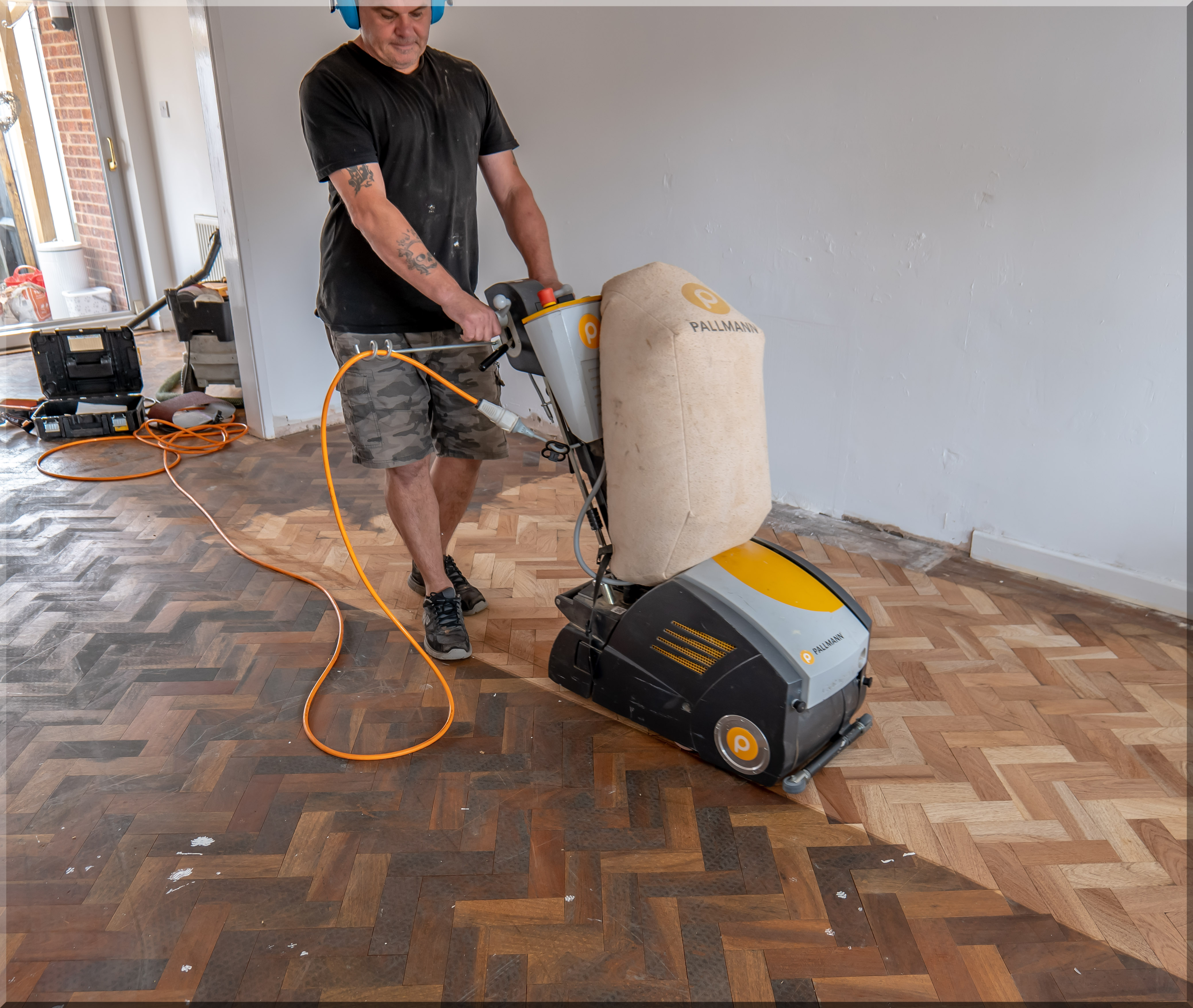
The floor was fully sanded to remove what remained of the old surface and to prepare the wood correctly for a new finish. This involved working through the sanding process to strip back the worn coating evenly across the entire floor.
Detailed edge sanding was also carried out, working right up to the skirting boards and into the corners. This ensures no old finish is left behind and avoids patchy edges, resulting in a completely uniform surface ready to accept the new finish.

Finishing with Dark Hardwax Oil
Once the floor was properly prepared, it was finished in a dark hardwax oil. This type of finish enhances the natural grain of the oak while adding depth and warmth to the colour, creating a richer overall appearance.
Hardwax oil penetrates the wood rather than forming a thick surface film. This helps protect the floor while keeping a natural look and makes ongoing maintenance easier compared to floors where a worn lacquer has broken down.

A Seamless Result Across the Entire Floor
By removing the old surface properly and paying close attention to the edges and corners, the finished result is seamless across the entire floor. The restored oak now looks cleaner, richer and far easier to maintain, while retaining the character of the wood.
Restore Rather Than Replace
Many wooden floors that look beyond saving simply need the right restoration approach. With professional sanding and a carefully chosen finish, original oak floors can often be restored to a standard that will last for many years.
This oak floor restoration was carried out by Axholme Floor Care, providing professional wood floor sanding and restoration across Scunthorpe, Lincoln, Doncaster, Grimsby and Hull.
If your wood floor is looking worn, dull or difficult to keep clean, restoring it properly is often a better option than replacing it.
FAQs – Oak Floor Sanding & Hardwax Oil
How do I know when a wood floor needs sanding rather than cleaning?
If a floor looks dull in walkways, is difficult to keep clean, or has areas where the finish has worn away, sanding is usually required. Cleaning alone cannot restore protection once a finish has broken down.
Why choose hardwax oil instead of lacquer?
Hardwax oil penetrates the wood rather than sitting on top. It enhances the grain, provides a natural appearance and is easier to maintain over time, particularly in lived-in homes.
Will sanding reach the edges and corners?
Yes. Professional sanding includes detailed edge and corner work to ensure the entire floor is prepared evenly, avoiding old finish being left behind.
How long will a hardwax oil finish last?
With normal household use and correct maintenance, a hardwax oil finish can last many years and can be refreshed without fully sanding the floor again.


Comments